
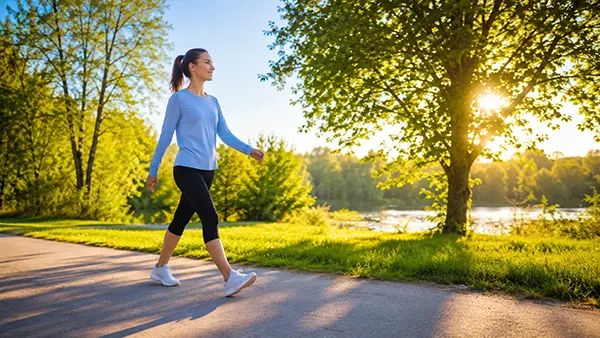
Why Slow Walking Still Matters: How Gentle Movement Supports the Heart and Nervous System
Slow walking is often underestimated because it does not leave a person breathless or exhausted. However, modern medical research in 2026 continues to confirm that light physical activity plays an important role in maintaining cardiovascular health, reducing stress levels, and supporting the nervous system. For people who spend long hours sitting, experience chronic fatigue, recover after illness, or simply cannot tolerate intense exercise, calm walking can become a realistic and sustainable habit. Unlike exhausting fitness routines, slow walking is accessible to almost everyone regardless of age, physical condition, or previous training experience.
How Slow Walking Affects Heart Health
Even a moderate walking pace improves blood circulation and helps the cardiovascular system work more efficiently. During slow walking, the muscles gently stimulate blood flow, allowing oxygen and nutrients to move through the body more effectively. This process reduces stagnation in the blood vessels and supports healthy vascular tone without placing excessive strain on the heart.
Cardiologists increasingly recommend low-intensity walking for people with elevated blood pressure, early signs of cardiovascular disease, and sedentary lifestyles. According to current public health recommendations in Europe and the UK, regular walking for at least 30 minutes per day can contribute to lower resting heart rate and more stable blood pressure levels. The key advantage is consistency rather than speed.
Slow walking may also support cholesterol balance and metabolic health. Gentle movement activates energy expenditure without triggering the stress hormones often associated with extreme exercise. For people over 50 or individuals returning to activity after long breaks, this type of movement reduces the likelihood of overtraining and joint discomfort while still benefiting the circulatory system.
Why Consistency Matters More Than Intensity
Many people believe that only intense workouts improve physical health, but this idea is increasingly challenged by preventive medicine specialists. Short walks repeated daily often produce more stable long-term effects than occasional exhausting training sessions. The body responds positively to regular movement patterns because they help maintain circulation, muscle tone, and respiratory function without causing excessive fatigue.
Research published over recent years has shown that people who walk regularly, even at a relaxed pace, may experience lower risks associated with sedentary behaviour. Sitting for prolonged periods is linked to poorer circulation and higher stress levels. Introducing several slow walks throughout the day can partially counterbalance these effects, especially for office workers and remote employees.
Consistency also helps establish healthier behavioural patterns. Slow walking is easier to maintain over months and years because it does not require special equipment, gym memberships, or complicated recovery routines. A habit that feels manageable is often more beneficial in the long term than a demanding routine that becomes impossible to sustain.
The Connection Between Walking and the Nervous System
The nervous system reacts strongly to movement, even when physical effort remains light. Slow walking helps regulate the body’s stress response by reducing excessive stimulation from cortisol and adrenaline. Calm rhythmic movement encourages a more balanced nervous state, particularly when walking takes place outdoors or away from noisy environments.
Neurologists and mental health professionals frequently discuss the relationship between walking and emotional stability. Gentle physical activity can support the production of neurotransmitters associated with improved mood and relaxation. While walking is not a replacement for medical treatment, it may complement broader strategies aimed at reducing anxiety, irritability, and mental fatigue.
Another important factor is breathing rhythm. During slow walking, breathing naturally becomes steadier and deeper. This can positively influence the parasympathetic nervous system, which is responsible for recovery and relaxation processes. People who struggle with constant mental overload often notice that calm walking creates a sense of psychological clarity and reduced internal tension.
Walking as a Natural Tool Against Daily Stress
Modern lifestyles expose people to continuous digital stimulation, irregular sleep schedules, and constant information flow. Slow walking provides a rare opportunity for the nervous system to reduce sensory pressure. Unlike high-intensity exercise, which can sometimes increase physical stress temporarily, gentle movement usually has a calming effect on both body and mind.
Healthcare professionals increasingly recommend walking breaks during the working day. Even ten to fifteen minutes of movement may improve concentration and reduce mental exhaustion. In many cases, people report better emotional balance after incorporating short evening walks into their routine, especially when combined with reduced screen exposure.
Walking outdoors may provide additional psychological benefits. Natural light, fresh air, and visual contact with green spaces can support emotional recovery processes. In urban environments, slow walking also encourages people to disconnect from constant multitasking and focus more on physical sensations and surroundings.

Who Can Benefit Most from Slow Walking
Slow walking is particularly valuable for people who cannot safely participate in demanding forms of exercise. Older adults, individuals recovering after illness, people with excess body weight, and those experiencing chronic stress often tolerate low-intensity movement far better than intense cardio training. Because the strain on joints remains relatively low, walking can usually be adapted to different physical conditions.
People working from home or spending most of the day sitting may also benefit significantly. Lack of movement affects posture, circulation, and overall energy levels. Introducing short walking sessions throughout the day may improve mobility and reduce feelings of physical stiffness without requiring major lifestyle changes.
For beginners, slow walking can become the first step towards broader health improvements. Starting with realistic goals often increases the likelihood of maintaining physical activity over time. Medical specialists frequently note that sustainable routines tend to produce better long-term health outcomes than sudden extreme changes that quickly become difficult to maintain.
How to Make Slow Walking Part of Everyday Life
Creating a sustainable walking routine usually depends on simplicity. Many people achieve better consistency by connecting walking with existing daily habits, such as morning coffee breaks, commuting, or evening relaxation. A realistic schedule is more effective than ambitious plans that require major effort and constant motivation.
Comfort also plays an important role. Supportive footwear, suitable clothing, and safe walking routes make the activity easier to repeat regularly. In colder seasons, indoor walking spaces such as shopping centres or covered public areas may help maintain activity levels when outdoor conditions become less comfortable.
Slow walking does not need to be treated as a strict fitness programme. For many individuals, its greatest strength lies in accessibility and sustainability. Regular gentle movement supports circulation, emotional balance, and general wellbeing without placing unnecessary stress on the body. In 2026, health experts continue to emphasise that small but consistent forms of activity remain an important part of long-term preventive healthcare.