
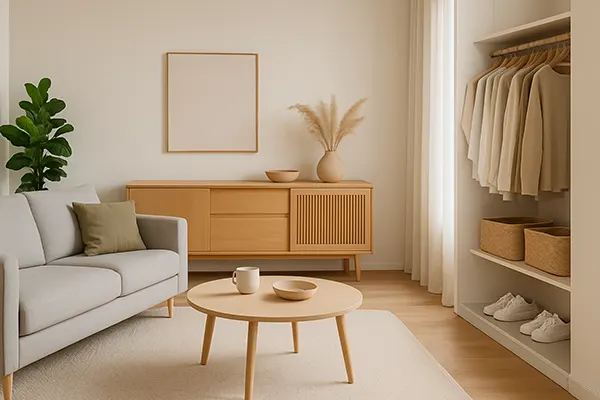
Minimalism in Life: Clearing Your Space, Mind, and Wardrobe
Modern life often produces an excess of possessions, tasks, and decisions, which gradually drains energy and diverts attention from what genuinely matters. Minimalism offers a structured way to reduce this overload by simplifying the physical environment, reorganising priorities, and developing healthier habits around consumption. In 2025, this approach continues to evolve, focusing not only on the practical side of decluttering but also on emotional well-being and sustainability.
Physical Space: Creating an Environment That Supports You
Minimalism begins with the spaces we live in, as surroundings have a measurable effect on daily routines, mood, and cognitive performance. Research in environmental psychology shows that cluttered homes can elevate stress hormones and hinder focus, making intentional organisation more than an aesthetic preference. By reducing the number of items visible in a room and keeping only objects that serve a genuine purpose, it becomes easier to navigate everyday tasks without unnecessary distractions.
A practical step in 2025 is adopting a room-by-room method that encourages steady progress rather than overwhelming large clean-outs. Many people choose sustainable solutions such as donating functional items, repairing belongings instead of purchasing replacements, and responsibly recycling materials to reduce their environmental footprint. This shift aligns with growing public interest in conscious consumption and supports the broader movement towards greener lifestyles.
Maintaining a streamlined home also helps establish habits that prevent clutter from returning. Implementing simple routines—like dedicating a few minutes each evening to resetting surfaces or regularly reviewing unused items—creates long-term stability. When applied consistently, these habits contribute to a calmer, more supportive environment that enhances productivity and reduces everyday friction.
How Minimalist Interiors Improve Daily Well-Being
The impact of minimalist interiors extends beyond visual order, influencing emotional stability and general well-being. Cleaner spaces often contribute to reduced cognitive load, allowing the mind to focus on responsibilities without constant sensory interruptions. This clarity can be particularly beneficial for individuals working remotely, where a balanced home environment directly affects concentration and motivation.
A simplified interior also supports healthier routines, such as improved sleep patterns. Bedrooms free from excess items tend to create more restful atmospheres, helping people fall asleep quicker and wake more refreshed. Lighting, colour choices, and functional furniture arrangements all play a key role in fostering tranquillity and supporting a healthier everyday rhythm.
Another advantage lies in financial mindfulness, as homeowners become more aware of purchasing habits. By intentionally choosing quality over quantity and avoiding impulsive buying, people reduce unnecessary expenses and extend the lifespan of their belongings. Over time, this approach strengthens long-term stability and encourages a more grounded lifestyle.
Mental Space: Reducing Information Overload
Just as physical clutter affects mood, mental clutter can hinder focus and emotional resilience. With constant digital notifications, ongoing responsibilities, and a steady flow of information, clearing mental space has become an essential part of maintaining balance. Minimalism encourages evaluating commitments, reducing digital noise, and setting realistic expectations to protect mental energy.
One of the most effective strategies is establishing clearer boundaries with technology. Many individuals in 2025 rely on scheduled screen-free intervals, simplified notification settings, and organised digital folders to minimise unnecessary stimuli. Reducing digital noise helps maintain sharper focus throughout the day and decreases the sensation of being constantly “on call.”
Another key factor is prioritisation. Minimalism suggests identifying tasks that carry genuine importance and allocating time according to long-term goals rather than short-term pressures. This mindset allows individuals to direct attention more effectively and avoid emotional exhaustion caused by multitasking or overcommitment.
Developing Healthier Cognitive Habits
Healthy cognitive habits are essential for maintaining mental clarity, and minimalism provides a strong foundation for building them. Practices such as journalling, time blocking, and periodic reflection help identify unnecessary worries and anchor the mind in present tasks. These methods offer structure without rigid rules, making them suitable for different lifestyles and personal needs.
Mindfulness continues to gain relevance as a complementary practice. It does not require complex routines but encourages awareness of thoughts, reactions, and triggers. When combined with minimalist principles, mindfulness strengthens emotional stability and improves the ability to make considered decisions rather than reacting impulsively.
Another element of mental minimalism is cultivating supportive relationships and limiting interactions that drain emotional resources. By surrounding themselves with people who respect boundaries and share similar values, individuals maintain a healthier social environment that reinforces balance and well-being.

Wardrobe: A Practical Path to Everyday Simplicity
Clothing is one of the most common areas where clutter accumulates, often due to spontaneous shopping or keeping outdated items “just in case.” A minimalist wardrobe provides a practical solution by focusing on garments that fit well, suit daily routines, and reflect personal comfort. This approach saves time during morning decisions and creates a sense of cohesion in everyday style.
A widely adopted method in 2025 involves the capsule wardrobe concept. It prioritises versatile pieces that can be combined in multiple ways, reducing the need for large quantities of clothing. People increasingly choose durable fabrics, neutral tones, and timeless designs, which offer reliability and minimise the environmental impact associated with frequent replacements.
Maintaining a functional wardrobe also means periodically reviewing what is worn and what only occupies space. Donating unused clothing in good condition supports circular fashion initiatives, while repairing items extends their lifespan. With this approach, the wardrobe becomes a practical tool for daily comfort rather than a source of unnecessary decisions or disorder.
The Emotional Side of Clothing Choices
Clothing often carries emotional associations, which can make decluttering challenging. Minimalism encourages a thoughtful approach that respects these feelings while still emphasising practicality. Acknowledging sentimental value and keeping only meaningful items helps create a wardrobe grounded in authenticity rather than obligation.
This mindful relationship with clothing also supports confidence and comfort. When individuals consistently choose garments they genuinely enjoy wearing, they reduce stress around appearance and project a calmer, more assured presence throughout the day. A wardrobe that aligns with personal identity fosters a stronger sense of self-expression, even with fewer items.
Finally, minimalist clothing habits contribute to sustainability. By prioritising longevity, responsible purchasing, and reduced textile waste, people support broader environmental goals. This aligns with global expectations and growing consumer awareness in 2025, reinforcing the idea that minimalism is not only a lifestyle choice but also a contribution to collective well-being.